
Category: Malta Travel Guide

  • Do You Need a Car in Malta? Honest Pros & Cons for Tourists

    Do You Need a Car in Malta? Honest Pros & Cons for Tourists

    Malta is a compact island nation, but don’t let its size fool you. Deciding whether to rent a car or rely on buses, taxis, and tours can shape your entire trip.

    Some visitors love the freedom of exploring hidden bays and historic villages on their own schedule. Others find driving on the left side of the road and battling Valletta’s parking enough to skip the rental counter altogether.

    So, do you really need a car in Malta? The answer is: it depends on your plans, pace, and priorities. Let’s break down the key points.

    Getting Around Malta Without a Car

    It’s technically possible to explore Malta without driving, but it does come with trade-offs. The island’s bus network connects most towns, villages, and beaches, and weekly passes are inexpensive. Ferries between Valletta, Sliema, and the Three Cities offer a scenic option for short trips, and ride-hailing apps like eCabs and Bolt can help fill the gaps when buses run late or less frequently.

    That said, these alternatives aren’t always practical. Buses can be slow, crowded, and unpredictable in peak season, often zig-zagging through multiple towns before reaching your stop. Taxis and ride-hailing are convenient, but costs add up quickly if you’re taking several trips per day. And while Valletta, Sliema, and St. Julian’s are walkable hubs, limiting yourself to these areas means missing Malta’s best beaches, historic villages, and hidden coves.

    For many visitors, skipping a rental works only if you’re content with a narrower itinerary. If your goal is to see the island at your own pace, a car is the smarter choice.

    Why Renting a Car in Malta Can Be Worth It

    For travelers who want to see more than the main tourist trail, renting a car is a game-changer. With a car, you set your own pace and avoid waiting in the heat for connections.

    A rental opens up access to places like:

    • Dingli Cliffs for dramatic coastal views.
    • Marsaxlokk fishing village and surroundings.
    • Mellieħa Bay and Golden Bay for beach days.
    • Mdina and Rabat for history without the bus crowds.

    Families, groups, and anyone on a tight itinerary often find a car the most efficient way to explore. And if you’re planning a trip to Gozo, a rental makes the ferry crossing smoother and lets you see more of the island in less time.

    Challenges of Driving in Malta

    Of course, renting isn’t without drawbacks. Malta drives on the left-hand side, which can be stressful for visitors used to the opposite. Narrow village streets and frequent roundabouts take getting used to, and summer traffic can be heavy near popular resorts.

    Parking is another factor. Valletta and Mdina restrict vehicle access, and public car parks fill up quickly. In busy towns, finding a spot often requires patience. If you’re only staying in one of the main hubs and plan to visit a handful of attractions, relying on buses and taxis may be easier than navigating traffic yourself.

    When a Car Rental in Malta Makes the Most Sense

    Whether you need a car really depends on your trip style:

    • Exploring Gozo – Bus service on Malta’s sister island is limited, so a rental is the easiest way to see multiple villages, beaches, and viewpoints in one day.
    • Family Travel – Parents with kids often prefer the flexibility of driving, especially for carrying beach gear or moving between attractions without long waits.
    • Short Stays – If you only have a few days and want to cover more than Valletta and Mdina, a rental helps you maximize sightseeing.
    • Rural Adventures – For hidden coves, countryside drives, and remote temples, buses don’t always get you there. A car does.

    What Other Tourists Say

    Not sure who to believe? Here’s what real visitors share on travel forums:

    • “If you’re in Gozo, renting a car is worth it. But in Malta’s main towns, parking can be a nightmare.”
    • “The buses work, but they can be slow and packed in summer. With a car, we saw twice as much in a day.”
    • “Driving on the left was strange at first, but after a couple of hours we got used to it. Definitely glad we rented.”

    These mixed experiences highlight the truth: your comfort level with driving, and where you plan to stay, should guide your choice.

    Tips for Renting a Car in Malta

    If you decide to book, keep these tips in mind:

    • Automatic vs ManualManual cars are cheaper, but automatics are easier if you’re not used to left-hand driving.
    • Parking Hacks – Use park-and-ride lots near Valletta and Mdina, then explore on foot.
    • Book Early in Summer – July and August rentals sell out fast; prices rise the closer you get.
    • Check Insurance Carefully – Look beyond CDW and consider full coverage for peace of mind.
    • Size MattersSmaller cars are best for Malta’s narrow streets and tight parking.

    Do You Need a Car in Malta?

    For most tourists, renting a car in Malta is worth it if you want freedom, flexibility, and access to Gozo or rural spots. If you’re only planning to stay in Valletta, Sliema, or St. Julian’s and don’t mind slower travel, buses and ferries will work.

    In the end, it depends on your style: explorers, families, and road trip lovers will get more out of a rental. City hoppers and tour-goers may not need one.

    For most tourists, renting a car in Malta is worth it if you want freedom, flexibility, and access to Gozo or rural spots. If you’re only planning to stay in Valletta, Sliema, or St. Julian’s and don’t mind slower travel, buses and ferries will work.

    👉 Ready to explore Malta on your own schedule? As locals who know the market, the roads, and the travel quirks inside out, we can help you choose the right vehicle for your trip. Compare our economy, SUV, and luxury car rentals in Malta, or simply reach out with any questions — we’re here to guide you.
  • Everything You Need to Know About Malta ZTL Areas and the Valletta CVA

    Everything You Need to Know About Malta ZTL Areas and the Valletta CVA

    Driving Guide to Malta ZTL Areas (Valletta CVA)

    Driving in Malta is usually straightforward, but visitors should be aware of one important restriction: the Controlled Vehicular Access (CVA) zone in Valletta.

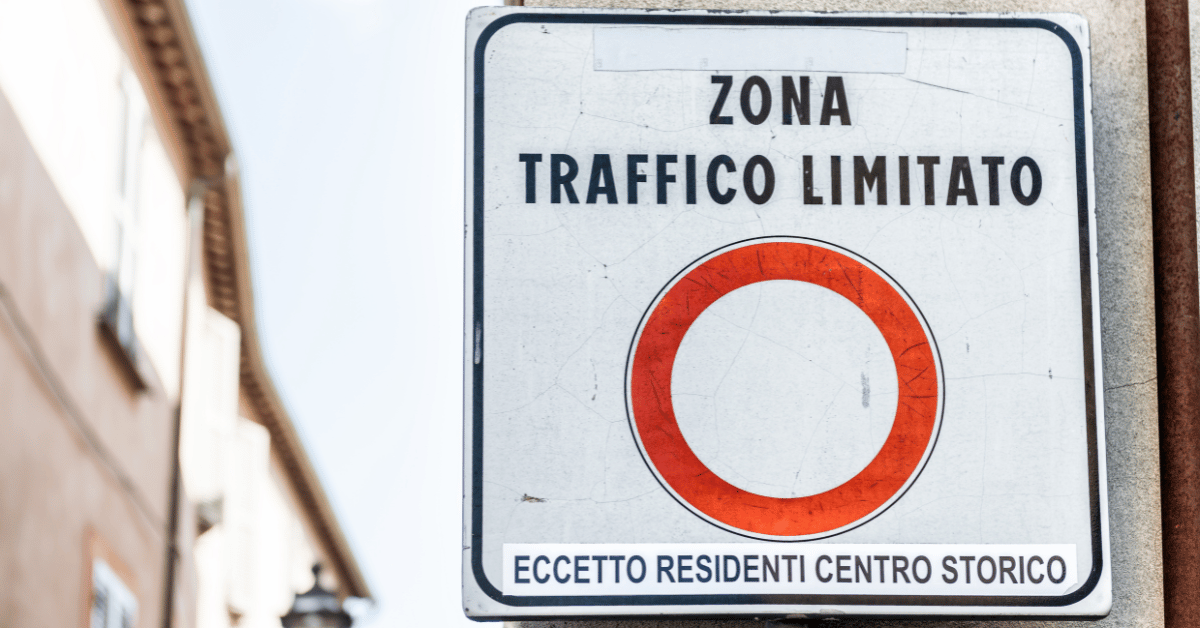
    This system works much like the “ZTL” (Zona a Traffico Limitato) areas you might find in Italy or other European cities. It was introduced to reduce congestion in Malta’s capital and to keep its narrow streets more pedestrian-friendly.

    If you’re renting a car in Malta, understanding how the Valletta CVA works will help you avoid unnecessary fines and plan your trip with confidence.

    What is the Valletta Controlled Vehicular Access (CVA)?

    The CVA system in Valletta is essentially Malta’s version of a ZTL. It restricts and charges vehicles entering the walled city during certain hours to manage traffic and protect the historic environment.

    Here’s what makes it important for drivers:

    • The zone is clearly marked by signs with the red inscription “CVA.”
    • Entry and exit points are monitored by automatic number plate recognition cameras.
    • Charges are calculated based on how long your vehicle stays within the zone.

    This system ensures that Valletta remains walkable and less congested, while still allowing vehicles in when necessary.

    Who Needs to Pay the CVA Charge?

    Not every vehicle is affected, but rental cars are always included because they carry Maltese license plates.

    Here’s the breakdown:

    • Subject to CVA fees: all cars with Maltese plates, including rental cars.
    • Exempt from fees:
      • Foreign-registered vehicles.
      • Motorcycles.
      • Public transport and emergency vehicles.
      • Electric vehicles (EVs).
      • Vehicles used by people with disabilities.

    For visitors using car rentals, this means you will pay the CVA if you drive into Valletta during active hours. However, in most cases, the charges are small and easy to manage—as long as you know the rules.

    Valletta CVA Fees and Operating Hours

    The CVA system charges vehicles based on how long they remain inside Valletta’s restricted zone. As of 2025/2026, the rates are:

    • €0.82 per hour.
    • First 30 minutes free (ideal for quick drop-offs or pick-ups).
    • Free access after 14:00 on weekdays.
    • No charges on weekends or public holidays.

    This means a short morning visit might cost just a few euros, while a full day of parking inside Valletta during peak hours will add more to your total.

    How to Pay for Valletta CVA

    Payment is automated, so you don’t need to stop at toll booths. The system uses automatic number plate recognition cameras to record when your vehicle enters and exits. Charges are then calculated and billed.

    For rental cars, the process is simple:

    • Many rental companies automatically include CVA charges in your final bill.
    • Others may ask you to manage payments via the official CVA website or mobile app.
    • Fines are issued if payments are missed, so it’s always best to clarify with your rental provider.

    Valletta CVA Boundaries and Entry Points

    The CVA zone covers the entire city center of Valletta, enclosed within the historic walls. Entry points are clearly marked and monitored by cameras.

    Common entry routes include:

    Once inside, every exit and re-entry is tracked, so even short visits add to your total CVA time.

    Driving and Parking Tips for Valletta

    • Park outside the CVA zone if you don’t need to drive into the city. The MCP car park (just outside City Gate) and Floriana parking areas are affordable, convenient alternatives.
    • Valletta is highly walkable. Most attractions are within a 10–15 minute walk from the gates.
    • Use GPS to avoid accidentally driving into the CVA zone. Look for the red CVA signs at entry points.
    • Plan your visit after 14:00 if you want to avoid fees entirely.

    By parking strategically, you can enjoy Valletta without worrying about congestion charges.

    Other ZTL Zones in Malta

    As of 2025, Valletta is the only city in Malta with a Controlled Vehicular Access (CVA) system. Outside the capital, there are no congestion charges or ZTL zones.

    This means you can drive freely across the rest of the island, including popular destinations such as Mdina, Sliema, St. Julian’s, Marsaxlokk, and Gozo, without worrying about extra tolls or restrictions.

    Why the Valletta CVA Matters for Car Rentals

    If you’re renting a car in Malta, it’s essential to understand the CVA rules:

    • Rental cars are subject to CVA fees because they have Maltese license plates.
    • Charges are small but can add up during longer stays inside Valletta.
    • Many rental companies automatically handle payments and add them to your final bill.
    • To avoid CVA charges altogether, park outside Valletta and explore on foot.

    Knowing these details helps you budget properly and avoid fines. For most visitors, CVA is easy to manage with a little planning.

    Carrentalsmalta.mt – Your Trusted Driving Guide

    At Car Rentals Malta, we don’t just connect you with the best car rental deals in Malta—we also provide the information you need to drive confidently. From understanding the Valletta CVA to finding the best parking options, our goal is to make your trip smooth and stress-free.

    Book your car rental today with Car Rentals Malta and explore Malta with confidence—no surprises, just the freedom to enjoy your journey.

  • Is It Easy to Drive in Malta? Road Conditions, Traffic & Essential Tips

    Is It Easy to Drive in Malta? Road Conditions, Traffic & Essential Tips

    Is it easy to drive in Malta? The short answer is yes—if you know what to expect and plan a little before you set off. Malta is one of the easiest countries in Europe to explore by car.

    The island is small enough that you can cross it in about an hour, the roads are safe, and signs are in English. Still, like any new destination, there are quirks you should understand so your experience is stress-free from the moment you pick up your rental.

    Driving in Malta – The Basics

    The first thing visitors need to know is that cars in Malta drive on the left-hand side of the road, a legacy from the country’s years under British rule. Most rental cars are right-hand drive to suit this system, which feels natural if you are used to driving in the UK or Australia. Left-hand drive cars are legal too, but they’re less common and can feel awkward if you’re not used to Malta’s narrow streets.

    Despite its compact size, Malta offers a variety of driving experiences. Busy urban centers like Valletta and Sliema are full of traffic and tight parking spots, while coastal roads reward you with incredible views.

    If it’s your first time driving abroad, it can help to have a passenger beside you to assist with directions, lane checks, and navigating roundabouts. But overall, getting around by car is straightforward, especially compared with larger European cities.

    Road Conditions in Malta

    Malta’s main roads are well maintained, connecting the airport, major towns, and popular beaches. These routes are smooth and easy to navigate, with clear signage and consistent speed limits.

    Once you venture beyond these main arteries, however, conditions change. Rural roads can be narrow and uneven, and in some areas you may come across potholes that demand slower driving.

    If you plan to explore Gozo, Malta’s sister island, be prepared for less consistent road quality. The main routes are fine, but smaller roads in the countryside often require extra care.

    Driving slowly and keeping an eye out for sharp edges or uneven patches is the safest approach, especially since a careless bump into a pothole could lead to a puncture.

    That said, most visitors find driving in Malta safe and manageable. As long as you pay attention on rural stretches and stay patient in busy towns, you’ll have no trouble covering the island comfortably.

    Traffic in Malta – What to Expect

    Traffic in Malta is usually manageable, but timing matters. During rush hour—between 7:00 and 9:00 a.m. and again from 5:00 to 7:00 p.m.— roads can become congested, especially around Valletta, Sliema, and St Julian’s. Outside of these windows, driving is far smoother and even relaxing.

    Because Malta is a compact island, you won’t be stuck for hours like in larger cities, but you may find yourself creeping along for an extra 20–30 minutes if you travel during peak times.

    Locals can also be a little impatient behind the wheel. Road rage is rare, but you may notice drivers leaning on the horn or squeezing past in narrow streets. Staying calm and letting faster drivers pass is the best approach.

    Safety and Rules of the Road

    Overall, Malta is a very safe place to drive. The speed limits are moderate—50-60 km/h in towns and villages, 80 km/h on open roads—and most drivers respect them. Road signs are clear and written in English, so visitors don’t face the language barrier that can make driving difficult elsewhere.

    Roundabouts are common, and the rule is simple: give way to the traffic already inside. Parking can be a challenge in busy towns, but there are plenty of car parks and paid parking zones available if you plan ahead.

    Scooters and pedestrians also share the road in tourist areas, so keep a watchful eye when driving through city centers.

    Tips for Driving in Malta as a Visitor

    If you’re not used to driving on the left-hand side, the adjustment may feel strange at first, but most visitors adapt quickly. Here are a few small tips that make a big difference:

    • Have a passenger help with navigation or spotting turns if it’s your first time abroad.
    • Use Google Maps or Waze for real-time traffic updates and directions.
    • Choose a smaller economy car if you’ll be staying in Valletta, Sliema, or other areas with tight roads and limited parking.
    • If exploring Gozo or the countryside, drive slowly and be mindful of potholes.
    • Avoid rush hour if you can, and plan your sightseeing for early mornings or late afternoons.

    These small considerations help make driving in Malta smooth, safe, and even enjoyable.

    Final Verdict – Is It Easy to Drive in Malta?

    Yes—driving in Malta is easy once you know what to expect. The island’s compact size, English signage, and relatively safe roads mean that getting around by car is far more convenient than relying on buses or taxis.

    While traffic can be heavy during peak hours and rural roads sometimes need extra care, these challenges are minor compared to the flexibility a car gives you.

    If you’re on holiday or want to explore beyond the main tourist areas, renting a car is one of the best decisions you can make in Malta. It allows you to set your own schedule, discover hidden beaches, visit historic towns, and see more of the island at your own pace.

    Feel free to contact us if you’re unsure about anything related to renting a car for your trip—we’re always happy to help.