

Category: Malta Travel Guide

  • How Couples Can Travel Malta on a Budget: Transport Options Compared

    How Couples Can Travel Malta on a Budget: Transport Options Compared

    Quick picks for two (balanced, budget-smart)

    Mix and match by day. Buses are the cheapest if you’re patient about waits and short walks. Ferries shine for Gozo or Comino (pair them with buses or a quick ride-hail).

    Ride-hailing helps for late arrivals, short hops, or nights out. Guided tours give you a no-plan day that bundles headline sights. A rental car unlocks multi-stop routes and remote beaches—especially off-peak or when you’re racing sunsets.

    As a couple, your spend shifts with pace: a bus-heavy day stays low; a ferry day is still modest; a few ride-hail hops push costs up; a rental car costs more up front but buys back time. Split between two, a car can be efficient on days packed with stops.

    Distances and timing that shape your day

    Malta is compact, yet village bottlenecks and narrow roads slow things down. Peak traffic around Sliema and St Julian’s can stretch short rides—especially on weekends.

    Build 15–20 minute buffers between connections and start early for smoother bus journeys. Valletta to Mdina can be under 30 minutes by car but 40+ by bus in busy hours.

    Public buses: the lowest cash outlay (with smart passes)

    Buses work best for linking major towns and sights: Valletta, Mosta, Mdina and Rabat. If a 10-minute walk from a stop is fine and your timing is flexible, you’ll do well.

    For visitors, the Explore Card is the simple, budget-friendly play: 7 days of unlimited travel on all day, night, Tallinja Direct, and special services.

    As of 2025 it’s €25 for adults (children under 10: €7). During summer, single cash/card fares on day services are €2.50 for a two-hour ticket—helpful if you’re not staying a full week. Always check the official site for current fares. Download the Tallinja app to plan, track buses in real time, and cut waits.

    Time savers: travel early, reach your first sight before late morning, and avoid back-to-back rural transfers. In summer, signal clearly and stand near the driver—buses get busy.

    Two easy bus days:

    • Valletta → Mosta Dome → Mdina/Rabat for lunch → Dingli Cliffs for sunset.
    • Valletta → Hagar Qim & Mnajdra Temples → Blue Grotto → seaside dinner in Żurrieq.

    Late-night buses thin out; note your last service or switch to ride-hailing after dinner.

    Ferries and island hopping—without overspending

    Gozo (Cirkewwa ↔ Mġarr). Foot passengers pay low single-digit euros each way; recent guidance pegs it around €4.65 return, and car + driver about €15.70 (pay on the Gozo leg). It’s frequent, simple, and scenic.

    Valletta ↔ Gozo fast ferry (foot passengers only). From Valletta’s Grand Harbour to Mġarr in ~45 minutes; the standard one-way fare is typically €7.50. Great if you’re staying near the capital or want to skip the bus up to Cirkewwa.

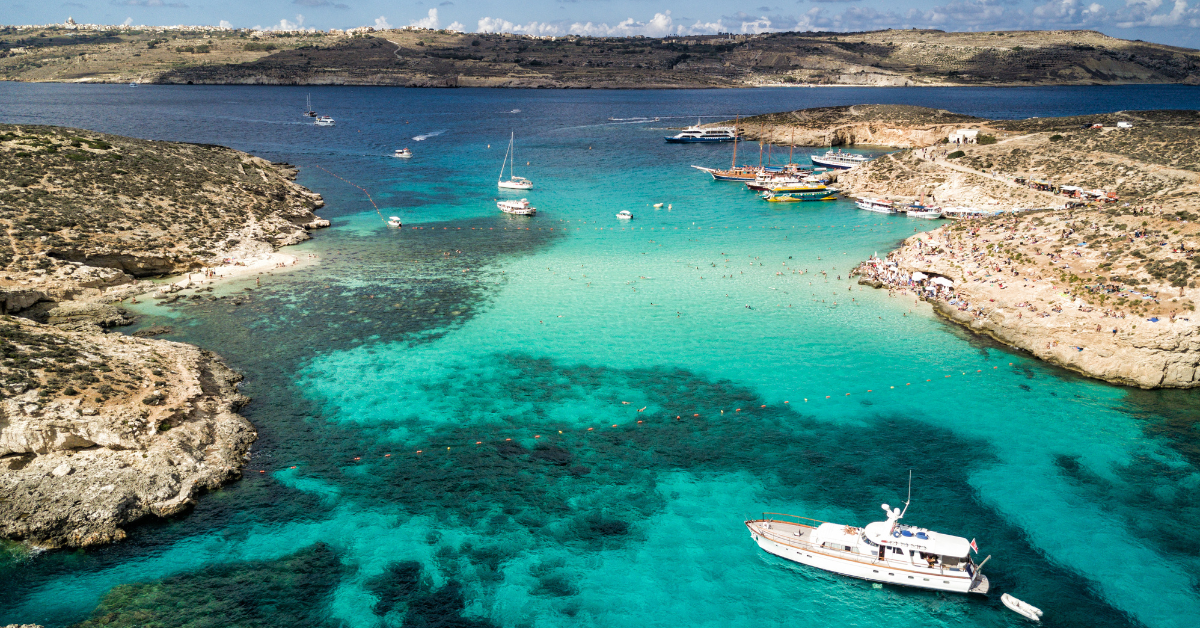
    Comino / Blue Lagoon. Small boats depart Cirkewwa/Marfa. Many take cash only; go early, bring water and sun cover, and use a dry bag for valuables. Weather can pause crossings, especially in winter—keep a Plan B.

    In Gozo, buses radiate from Victoria to beaches and villages; ride-hailing fills gaps or gets you to trailheads faster.

    Ride-hailing and taxis (when speed matters)

    Private rides earn their keep for late-night airport arrivals, early flights, or when buses are sparse. They also work for short evening hops between Sliema, St Julian’s, and Valletta when you don’t want to wait.

    Order through an app to see the fare upfront; surge can appear on Fridays/Saturdays. At the airport, queues build after large flight arrivals—pre-book if you land late.

    Guided group tours: time-efficient bundles

    Tours beat DIY when you want multiple highlights in one day without juggling timetables—also ideal for winery visits or boat combos when you’d rather not drive.

    Many include hotel pickup. Compare the tour price with several bus fares and the time cost of transfers; if a tour replaces three or four rides, it can be better value than it looks.

    Cycling and e-scooters: a reality check

    There are scenic coastal stretches—especially off-peak—but hills, narrow roads, and traffic make cycling and e-scooters stressful for many visitors.

    Rules and geofenced zones change; fines apply for pavement riding. If you’re set on it, consider guided routes or stick to the seafront promenade (Sliema ↔ St Julian’s).

    Parking, ZTL-style rules, and stress avoidance in Valletta

    Valletta’s Controlled Vehicular Access (CVA) charges apply on weekdays from 08:00–14:00, with no fees after 14:00 and free access on Saturdays, Sundays, and public holidays (policies can evolve—check before you go).

    If you do enter by car during chargeable hours, the first 30 minutes are free, then low hourly charges up to a daily cap. Or skip the stress: park outside the walls (Floriana’s park-and-ride or multi-storey options) and stroll or bus in.

    Why a rental car often makes sense for couples

    Renting suits couples planning multi-stop days that mix prehistoric temples, cliff viewpoints, and hidden swim spots. It helps early risers beat tour crowds and makes “sunset at Dingli or Għajn Tuffieħa after dinner” easy. If you’re squeezing Malta and Gozo into limited days, a car keeps you on your schedule.

    The main win is time: point-to-point minutes instead of waits plus transfers. Split between two, the extra daily cost can balance out when you’re packing in stops—or when late returns would otherwise mean pricey rides.

    A few caveats (so you drive happy, not stressed):

    • Left-hand driving; speed cameras enforce limits. Keep alcohol for car-free days.
    • Older town cores have one-way, very narrow streets—use accurate pins and don’t enter pedestrian zones.
    • Gozo by car is straightforward on the vehicle ferry. Factor crossing/queuing into plans, especially on summer weekends. For the rental itself, check CDW, excess, and deposit; consider lowering the excess for peace of mind; photograph wheels and bumper areas at pickup/return.

    Balanced itinerary idea. Do one slow day (buses + harbour/fast ferry). Then one full-flex day with a rental car to stitch together the “in-between” places buses don’t connect well. You’ll save cash on the first, save time on the second.

    Sample days by transport type

    1. Bus-first day (cheap + classic).

    Valletta → Mosta Dome → Mdina/Rabat lunch → Dingli Cliffs sunset. Early start; single Explore Card covers it all.

    2. Gozo on a budget

    Valletta fast ferry to Mġarr → bus to Victoria → Xlendi or Ramla Bay → back via Victoria cafés → ferry return. (Or take the Cirkewwa ↔ Mġarr car/foot ferry if you’re already in the north.)

    3. Car-powered “max highlights” loop

    Ħaġar Qim & Mnajdra → Blue Grotto overlook → Marsaxlokk lunch → Golden Bay/Għajn Tuffieħa for late swim → Dingli for sunset → dinner near St Julian’s. No transfer stress, easy timing.

    Frequently asked questions

    1. Smartest way from the airport to Valletta or Sliema late at night?

    Late services are limited. Use ride-hailing or a pre-booked transfer for stress-free arrivals. If budget is paramount, check night routes or Tallinja Direct airport routes in the app.

    2. Can we bring luggage on buses and ferries without hassle?

    Yes—keep bags tidy and avoid peak commuter times. Ferries accept standard suitcases; small Comino boats have limited space, so pack light and waterproof valuables.

    3. Do we need cash or can we tap everywhere?

    Buses and ride-hailing commonly accept cards/contactless. Small boats, kiosks, and rural vendors may be cash-only. Carry small euro notes/coins for tips, lockers, and backup fares.

    4. Can we take a rental car to Gozo—and is it worth it?

    Yes. The Gozo Channel ferry carries vehicles throughout the day, so bringing a rental car is straightforward. Having your own car makes it easy to hop between beaches, villages, and rural viewpoints on your own schedule

    5. What about child seats if we visit friends with kids?

    Buses don’t provide them. In ride-hailing, request a child seat in advance; supply is limited. For rentals, reserve early, confirm the daily fee, or bring your own if you prefer a specific standard.

    Final Tips: A Balanced, Budget-Savvy Plan for Two

    With the right mix of buses, boats, a ride or two, and maybe a short rental, getting around Malta on a budget is very doable. Plan small buffers, start early, and keep options open. You’ll see more, spend less, and travel happier together.

    If you want local, no-nonsense advice on parking rules, Gozo crossings, or which days a rental car actually saves you money, the Car Rentals Malta team can point you the right way—without the hard sell.
  • Scooter, Car, or Bus – The Best Way to See Malta

    Scooter, Car, or Bus – The Best Way to See Malta

    The quick answer for getting around Malta

    • Choose the bus if you want low cost, AC coaches, broad coverage, and can accept slower trips and crowds.
    • Choose a scooter if you are a confident rider, want easy parking, quick hops between coves, and carry light gear.
    • Choose a car if you want maximum flexibility for remote beaches, Gozo day trips, multi stop days, or travel with kids or luggage.
    • Choose a driver for late nights, wine tasting, mobility needs, or big groups where one vehicle and stress free navigation is smarter.

    Using the bus system for sightseeing

    When the bus wins

    Malta’s bus network reaches most towns, villages, and popular beaches on both Malta and Gozo. It is excellent value and greener than driving. In urban areas, routes are frequent, though traffic can slow journeys at peak times.

    Tickets and passes that actually save money

    Single fares are usually around €2 to €2.50 depending on season. For short stays, the Explore Card often gives good value on unlimited travel. Airport Direct routes link Malta International Airport with Valletta, Sliema, and St Julian’s.

    Realistic timing and crowd tips

    Build in extra time during weekday rush hours and weekend evenings around Sliema and St Julian’s. Popular beach routes can fill up in summer midday; go early or late for a seat. Most buses have AC and low floor access, easing travel with strollers.

    Night and early morning reality

    Late night services are limited. After midnight, a ride hail or taxi is usually fastest. For sunrise flights, prebooked transport reduces stress.

    Renting a scooter in Malta safely

    When scooters make sense

    Scooters are ideal for solo travelers or couples who pack light. Parking is easy near bays and village squares. They are perfect for short hops like Sliema to Valletta and scenic coastal rides around Dingli Cliffs and the south.

    Road and safety must knows

    Malta’s roads are narrow, with speed humps and many roundabouts. Ride defensively, especially where coastal winds gust. Summer glare and salt dust can reduce visibility, so wear eye protection and a proper helmet.

    Avoid unfamiliar rural lanes after dark; lighting is patchy and potholes appear without warning. Confirm license requirements and insurance with your rental company.

    Weather and luggage

    Sudden showers can make limestone slick. Check the forecast before you set out. If you have beach gear or suitcases, a scooter becomes impractical. Pair it with buses for light days, or switch to a car when carrying more.

    Driving a rental car in Malta

    Where a car shines

    A car makes family trips simple, especially with child seats and beach gear. It is also perfect for sunrise to sunset photo days and chaining Blue Grotto, Marsaxlokk, and St Peter’s Pool in one loop. Remote coves and rural heritage sites become easy without multiple bus changes.

    Key rules to know before you go

    Drive on the left. Many historic streets are narrow and one way. Speed cameras are common, so respect posted limits. If you plan to try local wine or cocktails, keep evenings car free and book a driver.

    Parking and city access without the headaches

    Valletta operates a Controlled Vehicular Access zone during core hours, with charges if you enter. Park just outside the city gates, such as in Floriana or the MCP multi storey, and stroll in.

    Mdina is largely car-free, so the best option is to park in the main lot outside the city walls and enjoy the short walk into town. For beaches, parking fills quickly in summer, so it’s best to arrive before 10 a.m. or later in the afternoon.

    Costs and insurance basics

    Daily rates often run €20 to €50, depending on season and vehicle. Book early for summer. Expect a card deposit and standard collision damage coverage with an excess. Consider an excess waiver for peace of mind. Child seats are required by law in private cars; reserve in advance. If you plan the Gozo ferry with car, check your rental agreement allows it.

    Taxis ride hailing and private drivers

    When a driver is smarter

    Late night arrivals, early flights, special dinners with wine, and tasting days in the south or Gozo all suit a driver. Groups often save by sharing one larger vehicle versus several ride hails.

    What to expect on price and availability

    App rides and licensed taxis are widely available around Valletta, Sliema, St Julian’s, and the airport. Airport runs to Sliema or St Julian’s use fixed fares or app quotes. You pay more than the bus but get faster, door to door service.

    Late night arrival tips

    Queues can form at the airport after busy flight banks. Prebook to skip the line and request child seats if needed.

    Island hops ferries and pairing modes

    Gozo with or without a car

    Gozo Channel ferries run frequently between Cirkewwa and Mgarr. You can usually bring a rental car to Gozo, but it’s always best to double-check with your rental company to be 100% sure.

    In peak times, consider leaving the car at Cirkewwa and using Gozo buses or a day scooter to reach Victoria, Dwejra, and Ramla Bay. Check the Gozo Channel ferry schedule before you go.

    Comino day trips

    Boat shuttles reach the Blue Lagoon. Leave vehicles on Malta or Gozo, travel light, and plan shade and water for midday sun.

    Sample day plans for different travelers

    Family with two kids and beach gear

    Start the morning at Mellieħa Bay, where the shallow water is great for children. Head to Golden Bay after lunch for a picnic and some beach time. In the evening, drive up to Mdina to watch the sunset. Be sure to park outside the city cores for easier exits.

    Budget couple based in Sliema

    Bus to Valletta early for Upper Barrakka and museums. Take the ferry back to Sliema. In the evening, bus to St Julian’s for dinner.

    Confident rider chasing coastlines

    Scooter loop to Dingli Cliffs, Blue Grotto overlook, and Marsaxlokk for lunch. Swim at St Peter’s Pool. Aim to return before dark.

    Photo lover on a Gozo day

    Early car ferry to Gozo. Visit Dwejra, Ta’ Pinu, Xwejni salt pans, and Ramla Bay. Dine in Marsalforn, then return after dinner to avoid queues.

    Why a rental car is often the most flexible option

    For families, multi stop days, and remote beaches, a car removes transfers and lets you pivot with weather or crowds. It simplifies luggage days and makes sunrise or blue hour photography practical without relying on first or last buses.

    Keep these realities in mind:

    Parking in Valletta is limited and CVA charges apply. Park outside the walls and walk in. Traffic peaks around Sliema and St Julian’s, especially weekend nights. Time your routes to avoid gridlock.

    Plan a car free evening if you will be drinking. Use a driver for tasting days. If most plans sit within Valletta, the Three Cities, and Sliema, you may not need a car every day. Mix modes to save money.

    Frequently Asked Questions

    1. How do I get from Malta airport to my hotel late at night?

    After midnight, buses are limited. Prebook a ride hail or taxi for the fastest door to door option. Hotels and private transfers can be worth it if you have kids or heavy bags.

    2. Are child seats required in taxis and rentals in Malta?

    Child restraints are required by law for young children in private cars and rentals. Many taxis and ride hails do not carry child seats by default. Prebook a vehicle that provides one, or bring a compact travel seat.

    3. Can I take a rental car on the Gozo ferry and is it worth it?

    Many rental contracts allow it, but always confirm terms. It is worthwhile if you plan several Gozo sights in one day. In peak times, leaving the car at Cirkewwa and using Gozo buses or a local rental can reduce queuing.

    4. Where can I park for Valletta and Mdina without stress?

    For Valletta, use car parks outside the gate, such as Floriana or multi storey options, and walk in to avoid CVA fees. For Mdina, park in the main lot outside the walls; the town itself restricts vehicles.

    5. Is it safe to drive after a glass of wine in Malta?

    Drink driving rules are strictly enforced, with roadside checks. Limits can change. The safest approach is not to drive after drinking. Use a driver or ride hail instead.

    Whichever mode you choose, plan around your days. Mix buses for city wandering, a scooter for nimble coastal hops, and a rental car for family gear and far flung beaches. That balance is the true best way to get around Malta.

    Questions about routes or parking? See rental options or contact our local team.

  • Malta in Summer: What You Need to Know Before You Go

    Malta in Summer: What You Need to Know Before You Go

    Weather reality and when to come

    Malta in summer is hot, dry, and brilliantly sunny. Expect daytime highs of 30–35°C, very little rain, and long daylight. July is typically the hottest and driest month. Heatwaves can push temperatures into the 40s, and humidity amplifies the feel. For current norms and heat advisories, check the Malta Meteorological Office updates.

    Plan your days with a Mediterranean rhythm. Start early, linger over a long lunch in shade, and make the most of late evenings. For fewer crowds and slightly milder heat, target mid to late June or September. Sea temperatures are warmest from late June onward.

    Choose your base by vibe and logistics

    Sliema and St Julian’s

    Base here for dining variety, seafront lidos, and frequent buses with some night routes. You can swim off rocky platforms with ladders. Expect weekend congestion around Paceville and longer ride-hail waits after midnight.

    Valletta

    Compact, cultural, and linked by ferries to Sliema and the Three Cities. It is walkable and great car-free. Valletta parking CVA charges and scarce on-street spaces make driving in a headache during core hours.

    Mellieha and Golden Bay area

    Easy access to sandy beaches and family-friendly resorts. A good base for a self-drive holiday, the best beaches in Malta up north, and a quick hop to the Gozo ferry.

    Gozo

    Slower pace with diving, hiking, and farmhouse stays. Works best for three or more nights, or a car-free chill using local buses and taxis. Foot passengers can use the fast ferry to Valletta for day trips.

    What to do with smart timing in the heat

    Morning wins

    Wander the lanes of Mdina and Rabat before 10:00. Swim at Għajn Tuffieħa or Mellieħa Bay by 9:00 to avoid crowds and strong UV. Capture the early light at the Upper Barrakka Gardens for beautiful photos.

    Midday slow down

    Schedule museums in Valletta, a shaded siesta, or a long lunch near the sea. Coastal lidos have ladders for a quick dip without sand. Keep rehydrating; aim for cool interiors between noon and four.

    Golden hour and night

    Walk Valletta’s ramparts at sunset, or watch the coast glow from Dingli Cliffs. Summer brings village festas with fireworks and open-air concerts. The Blue Lagoon is far calmer late afternoon with a return boat after the peak crush.

    Beat the heat and respect the island’s limits

    Sun and hydration

    UV is intense. Wear hats, reef-safe sunscreen, and light cover-ups. Refill bottles often and don’t underestimate heatstroke risks, especially after hikes.

    Water matters

    Rainfall is minimal and Malta relies on desalination. Take shorter showers and be mindful of laundry and towel changes. Many hotels now encourage this.

    Weather blips

    Occasional sirocco winds can add dust and raise temperatures. Rare summer storms can happen. If a heat alert is issued, follow the Meteorological Office guidance and adjust plans.

    Getting around without stress

    Car-free is easiest in Valletta, Sliema, and St Julian’s. A rental car gives freedom for beach hopping and sunrise spots, but narrow streets and parking add hassle.

    Pro Tip: Use our Ultimate Malta Tourist Map to see parking areas, narrow lanes, and key attractions, so you can plan your routes stress-free.

    Bus basics that work for visitors

    Malta’s bus network is wide and budget-friendly. Service is frequent along the Sliema–St Julian’s–Valletta corridor and to major beaches. Cross-island journeys can be slow, and night routes are limited. Tap any contactless card or consider visitor passes.

    Taxis and ride hailing

    Ride-hailing apps and local operators cover both islands. Off-peak fares can undercut white taxis. From Malta International Airport, use the official taxi kiosk in Arrivals for fixed fares, or prebook a ride-hailing pickup at the designated bays. After late flights, queues form and wait times of 15–30 minutes are common.

    When to rent a car

    Pick a car if you want multiple beaches in one day, sunrise or sunset viewpoints, or a flexible Gozo road trip. Book the smallest vehicle you can comfortably fit in; streets and parking are tight. For winery days or big groups, hire a private driver to keep things simple and safe.

    Travel Tip: Renting a car is by far the best way to experience Malta, giving you the freedom to chase beaches, viewpoints, and hidden corners at your own pace.

    Ferries and water shuttles

    Regular ferries connect Sliema and Valletta, a scenic and quick hop. Fast ferries link Valletta and Gozo for foot passengers. Summer boat shuttles serve Comino’s Blue Lagoon. Go early or after 16:00 to avoid the midday crush.

    Driving and parking essentials you actually need

    Rules and realities

    Malta drives on the left. Historic centers have restricted access, and speed cameras are common. The legal alcohol limit is low and enforced with checkpoints, so plan car-free tasting days.

    Valletta CVA and easy alternatives

    Valletta operates a Controlled Vehicular Access system during core weekday hours. To avoid charges and stress, use the Floriana park-and-ride or arrive outside charge periods. Always check official rules before driving in, as zones and hours can change.

    Mdina and other old towns

    Park outside the walls and walk in. Spaces fill by mid-morning, so arrive early or late. Blue badges and designated bays are marked, but enforcement is strict.

    Practical rental tips

    Basic CDW often carries a high excess and deposit. Reducing excess can buy peace of mind on narrow roads. Photograph the car at pickup and return, including wheels and bumpers.

    Request child seats when booking; summer supply is limited, so confirm in writing. Respect resident zones and signed restrictions; automated fines apply. Expect tight parallel parking. Carry coins or download local parking apps where available.

    Gozo and Comino day planning made easy

    Gozo with or without a car

    The Gozo Channel ferry runs often between Ċirkewwa and Mġarr. Taking a rental car aboard is routine and ideal for a loop of beaches and villages. Weekend queues build from late morning; go early for the smoothest crossing. Foot passengers can use the fast ferry from Valletta and combine Gozo buses or local taxis.

    Comino’s Blue Lagoon

    Peak crowds hit 11:00–15:30. Aim for an early boat or arrive after 16:00 for better space and softer light. Services are limited, so bring water, shade, and reef-safe sunscreen. Pack light for smaller boats, which have minimal storage.

    Sample sequence

    Take an early ferry to Gozo, explore Dwejra and Xlendi, swim at Ramla or Ħondoq, enjoy a late lunch, stroll the Citadel at golden hour, and sail back at sunset.

    Bookings and costs to lock before arrival

    Reserve beachfront hotels, car rentals, popular boat trips, Blue Grotto or private skippers, winery tours, and terrace restaurants well ahead. Summer pricing is higher; flexible cancellation policies are worth the small extra.

    Eating and nightlife in summer timing tips

    Dine later, from 20:00 onward, for cooler air and sea breezes. Weekend hubs around St Julian’s get packed; prebook tables and plan rides early, or walk the seafront promenade to avoid traffic jams.

    Frequently Asked Questions

    1. What are my late night options from Malta International Airport?

    Use the official taxi kiosk in Arrivals for fixed fares, or prebook a ride-hailing transfer to the pickup bays. Night buses serve main corridors, but departures thin after midnight. Late arrivals often face taxi queues; prebooking usually saves time.

    2. Can I bring luggage on Malta buses and ferries?

    Yes. Buses allow suitcases; keep them out of aisles and avoid commuter peaks. Ferries between Sliema and Valletta and to Gozo accept luggage. Smaller Comino boats have limited storage, so travel light or choose larger operators.

    3. How do I avoid Valletta CVA charges and parking stress?

    Park at the Floriana park-and-ride and hop the short shuttle, or time your arrival outside charging hours. If you must drive in, read the latest CVA rules and follow posted signs for restricted streets.

    4. Is it worth renting a car in summer?

    Yes if you want flexible days with multiple beaches, sunrise viewpoints, or a Gozo road trip. Skip the car if you’re based in Valletta or Sliema–St Julian’s and sticking to city sights and boat days. For tastings or groups, a private driver is easier and safer.

    5. What about child seats and driving rules I should know?

    Request child seats for taxis or rentals when booking; summer stock is limited. Malta drives on the left, speed cameras are active, and the legal alcohol limit is low with regular checkpoints. Designate a driver or plan car-free tasting days.

    Time your days to the sun, lock key bookings early, and choose transport that matches your plans. For most visitors—especially families, beach hoppers, and anyone eyeing Gozo and remote coves—renting a small car offers the most freedom, while cities and ferries are still best enjoyed on foot.

    Questions about routes or parking? See rental options or contact our local team.