Author: Sean C.

  • A Traveler’s Guide to Understanding Malta Car Rental Terms

    A Traveler’s Guide to Understanding Malta Car Rental Terms

    Landing in Malta, you’re instantly hit with choices: buses, taxis, private drivers, or your own set of wheels. Each option works for certain trips. But if you really want to move at your own pace—slipping away to a hidden cove, tackling multi-stop days without watching the clock, or hopping on the Gozo ferry without fuss—a rental car usually makes life easier.

    This guide isn’t here to sell you something. It’s here to help you read between the lines of rental terms, understand what’s fair, and decide if a car really fits your trip.

    The Fine Print, Decoded

    Here’s where most travelers trip up—the small text you skim when booking.

    1. Driver age and licences

    Most companies want you to be at least 21, sometimes 25. If you’re under 25, expect a surcharge. You’ll also need a licence held for one to two years. Non-EU licences are generally fine, but if yours isn’t in Latin script, carry an International Driving Permit just in case.

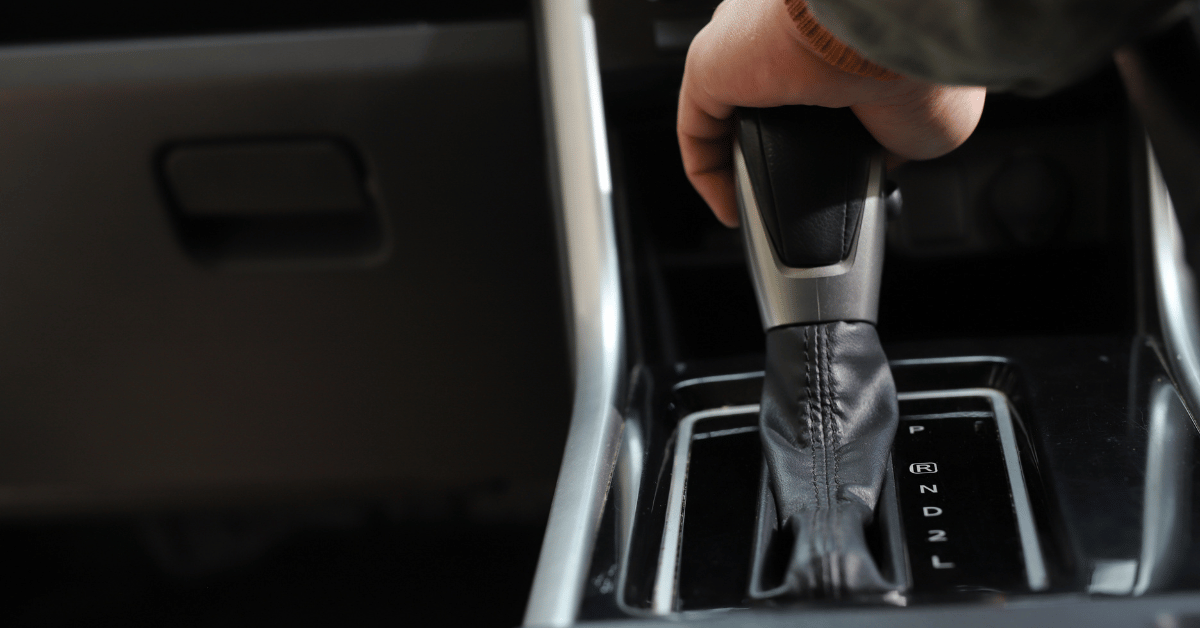
    2. Manual vs. automatic

    Manual cars are everywhere. Automatics exist but cost more and sell out quickly, especially in summer. If you can only drive automatic, book early.

    3. Fuel types

    Petrol is the default, diesel less so in small cars. Either way, island-wide fuel prices will shape your budget more than long distances—Malta is tiny.

    4. Mileage and Gozo

    Unlimited mileage is standard. Cross-border rules don’t apply here, but check the contract if you plan to ferry the car to Gozo—some categories require prior approval.

    5. Fuel policies

    The fairest deal is “full-to-full”—return the car with the same amount you received. Pre-pay fuel offers rarely pay off, because daily drives aren’t long.

    6. Deposits and cards

    A credit card in the main driver’s name is usually required. Debit cards face restrictions. And yes, the deposit hold can be chunky if you decline premium cover. Take photos of the car (wheels, fuel gauge, dashboard) before driving off.

    7. Insurance basics

    By law, you get third-party liability. Most rentals include Collision Damage Waiver with an excess. If you want peace of mind, you can pay extra for “Super Cover” that reduces liability—but it often excludes things like tires, glass, and the undercarriage. If you’re planning to use your credit card’s insurance, confirm in writing that it covers Malta.

    8. Extra drivers

    Every driver must be listed on the contract. Forgetting to add a second driver can void insurance if there’s an accident. Expect a small daily fee per extra driver.

    9. Young and senior driver rules

    Under-25 surcharges are common, but some companies also apply checks or restrictions for drivers over 70–75. Worth double-checking before booking if you’re traveling with grandparents.

    10. Breakdown and roadside cover

    Most rentals include basic roadside help, but not all cover things like lost keys, flat tires, or misfueling. Check what’s included so you’re not caught off guard.

    11. Cleaning and smoking policies

    Returning a car dirty (sand, mud, or food mess) can lead to cleaning fees. Same with smoking inside—most rentals have strict no-smoking rules.

    The Costs Nobody Mentions Up Front

    That tempting “€20 a day” price tag? It’s only the beginning.

    On top of the base rate, you might face charges for additional drivers, young driver surcharges, or late-night pickup if your flight lands after hours.

    Parking in busy areas like Valletta, Sliema, and St Julian’s can also add up. Extras such as child seats or GPS come with a fee. And if you plan to take your rental onto the Gozo ferry, remember there’s a separate vehicle fare in addition to your passenger ticket.

    Budgeting for these in advance saves you from the classic “but it said €20!” frustration.

    Airport Pickup Without the Stress

    Arriving late? Not every desk stays open all night. Some offer a meet-and-greet service for a fee, but only if you’ve arranged it beforehand. Desks are inside Arrivals, and the cars sit across the street in a signed car park.

    Take a moment before you drive off: check for scratches in good light, photograph the dashboard and fuel gauge, and set your GPS before rolling out. Malta’s roads can get confusing right out of the airport, and speed cameras don’t give warnings. On return, fill up near the airport and leave extra time for inspection.

    Why Renting a Car Is Often the Smart Choice

    Yes, Malta is small. You can get around by bus if you’re patient. But here’s the truth: if you want to explore beyond the main tourist belt, a car gives you freedom.

    Families don’t have to juggle naps or stroller space on buses. Adventurers can tick off multiple sights in a single day—Blue Grotto in the morning, Dingli Cliffs for lunch, Mdina in the afternoon, and a swim at Golden Bay by sunset.

    Gozo is another story. Buses run, but if you want to make the most of a single day, nothing beats rolling off the ferry in your own car. On the flip side, parking in Valletta or nightlife zones can be frustrating. The easy solution? Use your rental for daytime exploring, then swap to taxis or park-and-ride in the evenings.

    For most travelers, the rental car ends up being the time-saver and stress-reducer you didn’t know you needed.

    Frequently Asked Questions

    1. Can I pick up a rental car after a late-night flight?

    Yes, but not always. Some desks shut overnight. Others will meet you for a fee if you arrange it in advance. Always give your flight number so they know when you’re actually landing.

    2. How do the Valletta CVA charges work?

    Drive into Valletta’s controlled zone during the day and you’ll be billed later. Rental companies pass the fee on with an admin charge. Easiest workaround: park at Floriana Park & Ride or visit outside charging hours.

    3. Do I need to bring a child seat?

    You don’t have to. Rental companies provide them for a fee if you book ahead. But if you’re staying longer, bringing your own is usually more comfortable.

    4. What if my accommodation doesn’t have parking near Sliema or St Julian’s?

    You’ll need to use multi-storey or pay-and-display car parks. Another option: park once during the day and take taxis at night. If daily driving is part of your plan, try to book accommodation with dedicated parking—it’s worth it.

    5. Do I need an International Driving Permit (IDP)?

    If your licence is in English or another Latin script, usually no. If not, or if your rental company insists, bring one. Always confirm before you book.

    Final Thought

    Renting a car in Malta isn’t about covering long distances—it’s about making the most of short ones without waiting around for buses or juggling taxi fares. If you’re happy sticking to Valletta and the main resort areas, you’ll survive without.

    But if you want the freedom to chase sunsets, uncover remote coves, or get to Gozo on your own schedule, having a car in Malta is the way to go.

    Check available options early, compare rates, and book your Malta car rental before you arrive to lock in the best deal and avoid last-minute stress.

  • Automatic vs Manual Car Rentals in Malta: Which Is Best for You?

    Automatic vs Manual Car Rentals in Malta: Which Is Best for You?

    Malta isn’t exactly the kind of place where you hop on a bus and forget about it. Sure, public transport exists, and it’s fine for straight-line trips, but the island is full of winding lanes, hidden beaches, and tiny villages where timetables won’t get you very far. That’s why most visitors end up renting a car.

    The only real question is: do you go for an automatic or a manual?

    It might sound like a small detail, but trust me, when you’re navigating roundabouts the size of a dinner plate or inching through Valletta traffic on a Friday morning, the gearbox in your rental can make all the difference between “smooth sailing” and “why did I do this to myself?”

    The Quick Answer

    If you normally drive an automatic and this is your first time driving on the left, go for an automatic. It will take the edge off and let you focus on traffic, road signs, and not clipping a mirror on a stone wall. They’re also easier if you’re traveling with kids, luggage, or arriving late and tired.

    If you’re comfortable with manuals, especially with shifting on the left, and you’re watching your budget, a manual will do the job. They’re more common in Malta, usually cheaper, and plentiful even if you book last-minute in peak season.

    What It’s Really Like to Drive Here

    Let’s be honest: Maltese roads are not the wide boulevards of Los Angeles. Streets in villages can feel like alleyways, and parking in Valletta or Mdina is an exercise in patience.

    Roundabouts are everywhere, and while speeds are low, usually 35–50 km/h in towns and up to 80 km/h on open roads, the flow of traffic is busy and sometimes unpredictable.

    Morning traffic into Valletta and evening traffic around Sliema and St Julian’s are the biggest bottlenecks. Outside those zones, driving is calmer, though you’ll still need to keep an eye out for scooters and buses that take their time.

    The Feel of Each Option

    Automatics take the mental load off. No juggling gears on hills, no second-guessing when traffic stops suddenly, no fighting with a clutch in roundabouts. That calmness can be worth the higher daily rate, especially if you’re new to left-side driving.

    Manuals, on the other hand, are everywhere. If you like the control of shifting yourself—or you just don’t mind it—they work perfectly fine here.

    Many locals drive manual every day, and the cars are usually small and easy to handle. For a confident driver, the extra savings can cover an extra nice dinner or a ferry trip to Gozo.

    What About Costs?

    Typical rental prices range between €18 and €40 per day depending on the season and the size of the car.

    Automatics often cost a little more—sometimes a lot more in July and August when demand peaks. Booking early really matters if you want an automatic, because fleets are smaller and they sell out first.

    Insurance is usually included at a basic level (Collision Damage Waiver), but expect an excess held on your credit card. Parking is tight in a lot of places, so if the idea of scratches stresses you out, you can pay extra to reduce that excess.

    Fuel policies are typically “full to full,” and most petrol stations are self-service, though not all accept cards, so keep some cash handy.

    When Automatics Really Shine

    Think about the moments that feel hardest: getting off a late-night flight and facing roundabouts in the dark, crawling through traffic in Sliema, or navigating Mellieħa’s steep streets with beach bags, umbrellas, and tired kids in the back. In those situations, having an automatic is simply easier.

    When Manuals Fit Better

    If your trip is more about long runs across the island, away from peak-hour chaos, and you’re used to driving stick, a manual makes perfect sense.

    You’ll save some money, have more car models to choose from, and avoid the stress of “did I book early enough to get an automatic?

    Frequently Asked Questions

    1. Is it hard to drive on the left in Malta if I usually drive on the right?

    It takes a little adjustment, but it’s manageable. An automatic helps you focus on traffic flow and positioning instead of juggling gears. If you’re unsure, start driving in daylight and stick to main roads until you feel comfortable.

    2. Can I pick up a rental late at night at Malta International Airport?

    Yes. Most rental desks stay open to cover incoming flights, but not all of them. Add your flight number when booking, and double-check the pickup instructions. If you’re landing in the middle of the night, it may be easier to grab a transfer and collect your car the next morning.

    3. What should families know about child seats and luggage?

    Reserve seats in advance—don’t assume they’ll be available at the desk. Small hatchbacks fill up quickly once you add strollers and beach bags, so if you’re a family of four, consider a slightly larger hatch or compact SUV. Automatics can be helpful when you’re managing naps, snacks, and directions all at once.

    4. Can I take my rental car on the Gozo ferry?

    Usually yes. Most companies allow it, but always check your rental agreement. The ferry is straightforward: drive on, park where staff direct you, set the handbrake, and enjoy the short crossing. You pay when coming back from Gozo, not on the way over.

    5. How do CVA fees and parking rules work in Valletta and Mdina?

    Valletta charges vehicles for time spent in the central zone during business hours. The stress-free option is to use park-and-ride or one of the big car parks just outside the walls. Mdina is almost traffic-free, so you’ll need to park outside and walk in.

    Why Renting a Car Often Makes Sense in Malta

    Buses here are reliable and cheap, and taxis or ride-hailing apps work fine for evenings out. But if you want to see more than one or two spots in a day—say Blue Grotto in the morning, Hagar Qim in the afternoon, and Golden Bay for sunset—you’ll quickly appreciate having your own wheels.

    A rental car also unlocks the smaller beaches, cliff walks, and countryside restaurants that aren’t on main bus routes. Day trips to Gozo feel more relaxed too, because you set your own pace instead of waiting for connections.

    That said, mix and match if it helps. Use your car for day trips and park outside busy zones. Switch to taxis or buses for nightlife in Valletta or St Julian’s. It’s not about choosing one mode of transport for everything—it’s about using the right one at the right time.

    Ready to explore Malta your way? Whether you prefer automatic or manual, we’ve got you covered. Book your car today and start your trip stress-free.

  • Best Time to Book a Car in Malta for Holidays, Events, and Peak Seasons

    Best Time to Book a Car in Malta for Holidays, Events, and Peak Seasons

    Quick Look – For the Planners Among Us

    If you’re the type who likes a straight answer before the details:

    • June–October (peak summer): Book 6–8 weeks ahead. In August, play it safe with 8–12 weeks—cars vanish quickly.
    • April–May, late October–November (shoulder season): 3–6 weeks usually gets you a good deal and more choice.
    • January–March (quiet months): 1–3 weeks out is fine—rates are lower and cars are easier to snag.
    • Need an automatic, SUV, 7-seater, or child seats? Book as soon as your flights are confirmed. Those categories go first.

    How Malta’s Seasons Change Car Rental Demand

    Summer Madness: June to October

    This is when the island is buzzing—festivals, beach days, fireworks, and festas in every village. A car becomes more than just transport; it’s your escape plan when buses are overcrowded or delayed.

    August, especially, is no joke. Prices climb, automatics disappear, and families snap up the larger cars months ahead.

    Shoulder Season Comfort: April to May & October to November

    This is Malta at its sweet spot. Warm but not sweltering, fewer crowds, and a bit more breathing room on the roads. Rentals are easier to find, automatics and crossovers are more available, and weekend rates are friendlier. Honestly, if you can swing a trip in these months, you’ll avoid the August chaos.

    Winter Bargains: January to March

    January can feel like a different island—breezier, showery, quieter. Parking is easier, roads are calmer, and car hire prices dip well below the summer peaks. If you’re not picky about the exact model, you can book just a couple of weeks before flying in.

    How Far Ahead to Book (By Scenario)

    Summer Holidays and August Travel

    • August: Book 8–12 weeks ahead (seriously—wait too long and you’ll be left with scraps).
    • Late June, July, September: 6–8 weeks is usually fine.

    Easter, Carnival & Public Holidays

    Don’t underestimate local travel. Easter week and Carnival (usually February) mean more Maltese are on the move. For these, aim for 4–8 weeks out. Same goes for long weekends—demand spikes fast.

    Quick City Breaks or Last-Minute Trips

    If you’re just staying in Valletta and Sliema for two or three days, you might manage without a car. But if you land late at night and think you’ll just grab one at the airport counter… be warned: after-hours desks close, queues build, and options shrink. Even for short stays, pre-booking saves headaches.

    Price and Availability Hacks That Actually Work

    • Pick free cancellation. Prices move. Check back weekly and re-book if your class gets cheaper.
    • On-airport vs shuttle. Landing late? On-airport counters may close, but shuttle depots nearby sometimes keep better stock overnight.
    • Be cautious with prepaid fuel. Rentals charge for a full tank upfront, but Malta is small enough that you may not use it all—so you’ll pay for fuel you never drive.
    • Know what sells out. Automatics, compact SUVs, 7-seaters, convertibles, and child seats always vanish first.

    When a Rental Car is Worth It

    Families, Beach Lovers & Sunset Chasers

    If you’re carrying beach gear, strollers, or plan to hop between Golden Bay, Għajn Tuffieħa, and Mellieħa in a single day, a car isn’t a luxury—it’s sanity.

    Public buses do get there, but waiting in the heat with kids and bags? Not fun. With a car, you can also stick around for sunsets at Dingli Cliffs or enjoy late dinners in Marsaxlokk without worrying about the last bus.

    Day Trips to Gozo

    Yes, Malta’s smaller sister island has buses, but they’re infrequent. A rental car means you can cover Dwejra, Ramla Bay, and sleepy villages all in one day without being tied to a timetable. Just confirm your rental company allows ferry crossings (most do, some need a heads-up).

    Stays in Valletta & Sliema

    If you’re planning a weekend city break with museums, promenades, and cafes, you might not need a car the whole time.

    Buses, ferries, and ride-hailing cover you well here. The smart move? Rent for a day or two when you want to explore Mdina, Blue Grotto, or Gozo.

    Local Realities You’ll Want to Know

    • Late Arrivals: Not every desk stays open after midnight. Arrange after-hours pickup or grab a hotel transfer and collect in the morning.
    • Parking in Valletta & Mdina: Valletta’s car parks fill quickly—use the MCP car park near City Gate or Floriana’s Park & Ride. Mdina parking is outside the walls, so plan to walk a bit.
    • CVA Fees in Valletta: Cars entering the capital during daytime hours pay a Controlled Vehicle Access fee. Avoid it by visiting early morning, evenings, or parking outside the zone.
    • Driving Rules: Malta drives on the left. Speed cameras are common, and the alcohol limit is low. If you’re planning wine tasting, make that a car-free day.

    Quick FAQs

    1. What if my flight lands after midnight?

    Pre-book with confirmed after-hours pickup or arrange a hotel transfer. Taxis and ride-hailing work too, but expect queues during peak landing times.

    2. Can I take the rental car to Gozo?

    Usually yes, but check your contract. You’ll drive onto the ferry at Ċirkewwa, off at Mġarr, and pay on the return trip. Summer weekends = long queues, so go early.

    Long lines of cars waiting for the Gozo Channel ferry in Cirkewwa Malta

    3. What car size makes sense for Malta?

    Compact hatchbacks are perfect for narrow streets and tight parking. Families often prefer a compact SUV—just double-check your hotel has space for it.

    4. Do I need extra insurance?

    Standard cover comes with a big excess. Some credit cards help, but not all. If you’d rather skip the worry, buy excess-reduction cover. Always photograph the car at pickup and return.

    5. Is ride-hailing cheaper for a weekend?

    If you’re sticking to Valletta and Sliema, probably. But if you want to fit beaches, Mdina, and dinners across the island into two days, rides add up fast—often more than the cost of a short rental.

    Why a Car Often Wins in Malta

    Here’s the honest truth: Malta isn’t huge, but buses can be slow, timetables thin out at night, and some of the best spots—like hidden coves or quiet villages—are awkward to reach without your own wheels.

    A rental car gives you:

    • Flexibility to change plans on the fly (if a beach is crowded, just move on).
    • Freedom for late-night dinners, wine by the sea, or sunrise at a cliff.
    • Comfort when you’re traveling with family, luggage, or gear.

    It’s not perfect—parking in Valletta can be tight, and traffic builds around St. Julian’s on weekend nights. But for most visitors, especially families and anyone eyeing Gozo or multiple beach stops, a car turns a good holiday into a great one.