Author: Sean C.

  • Everything You Need to Know About Malta ZTL Areas and the Valletta CVA

    Everything You Need to Know About Malta ZTL Areas and the Valletta CVA

    Driving Guide to Malta ZTL Areas (Valletta CVA)

    Driving in Malta is usually straightforward, but visitors should be aware of one important restriction: the Controlled Vehicular Access (CVA) zone in Valletta.

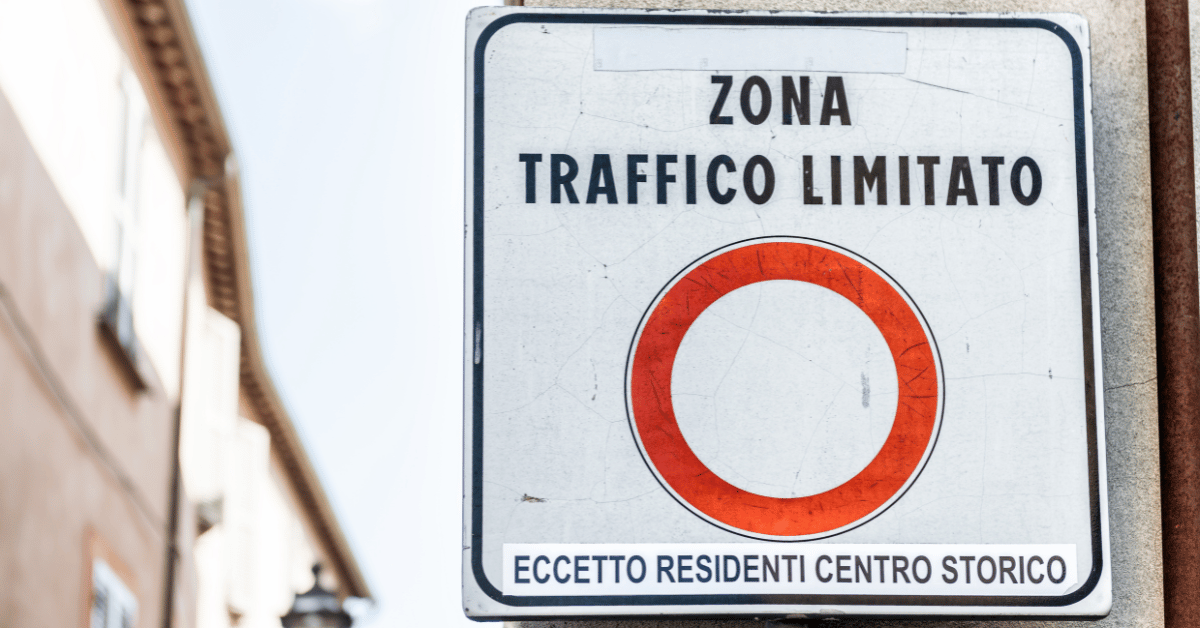
    This system works much like the “ZTL” (Zona a Traffico Limitato) areas you might find in Italy or other European cities. It was introduced to reduce congestion in Malta’s capital and to keep its narrow streets more pedestrian-friendly.

    If you’re renting a car in Malta, understanding how the Valletta CVA works will help you avoid unnecessary fines and plan your trip with confidence.

    What is the Valletta Controlled Vehicular Access (CVA)?

    The CVA system in Valletta is essentially Malta’s version of a ZTL. It restricts and charges vehicles entering the walled city during certain hours to manage traffic and protect the historic environment.

    Here’s what makes it important for drivers:

    • The zone is clearly marked by signs with the red inscription “CVA.”
    • Entry and exit points are monitored by automatic number plate recognition cameras.
    • Charges are calculated based on how long your vehicle stays within the zone.

    This system ensures that Valletta remains walkable and less congested, while still allowing vehicles in when necessary.

    Who Needs to Pay the CVA Charge?

    Not every vehicle is affected, but rental cars are always included because they carry Maltese license plates.

    Here’s the breakdown:

    • Subject to CVA fees: all cars with Maltese plates, including rental cars.
    • Exempt from fees:
      • Foreign-registered vehicles.
      • Motorcycles.
      • Public transport and emergency vehicles.
      • Electric vehicles (EVs).
      • Vehicles used by people with disabilities.

    For visitors using car rentals, this means you will pay the CVA if you drive into Valletta during active hours. However, in most cases, the charges are small and easy to manage—as long as you know the rules.

    Valletta CVA Fees and Operating Hours

    The CVA system charges vehicles based on how long they remain inside Valletta’s restricted zone. As of 2025/2026, the rates are:

    • €0.82 per hour.
    • First 30 minutes free (ideal for quick drop-offs or pick-ups).
    • Free access after 14:00 on weekdays.
    • No charges on weekends or public holidays.

    This means a short morning visit might cost just a few euros, while a full day of parking inside Valletta during peak hours will add more to your total.

    How to Pay for Valletta CVA

    Payment is automated, so you don’t need to stop at toll booths. The system uses automatic number plate recognition cameras to record when your vehicle enters and exits. Charges are then calculated and billed.

    For rental cars, the process is simple:

    • Many rental companies automatically include CVA charges in your final bill.
    • Others may ask you to manage payments via the official CVA website or mobile app.
    • Fines are issued if payments are missed, so it’s always best to clarify with your rental provider.

    Valletta CVA Boundaries and Entry Points

    The CVA zone covers the entire city center of Valletta, enclosed within the historic walls. Entry points are clearly marked and monitored by cameras.

    Common entry routes include:

    Once inside, every exit and re-entry is tracked, so even short visits add to your total CVA time.

    Driving and Parking Tips for Valletta

    • Park outside the CVA zone if you don’t need to drive into the city. The MCP car park (just outside City Gate) and Floriana parking areas are affordable, convenient alternatives.
    • Valletta is highly walkable. Most attractions are within a 10–15 minute walk from the gates.
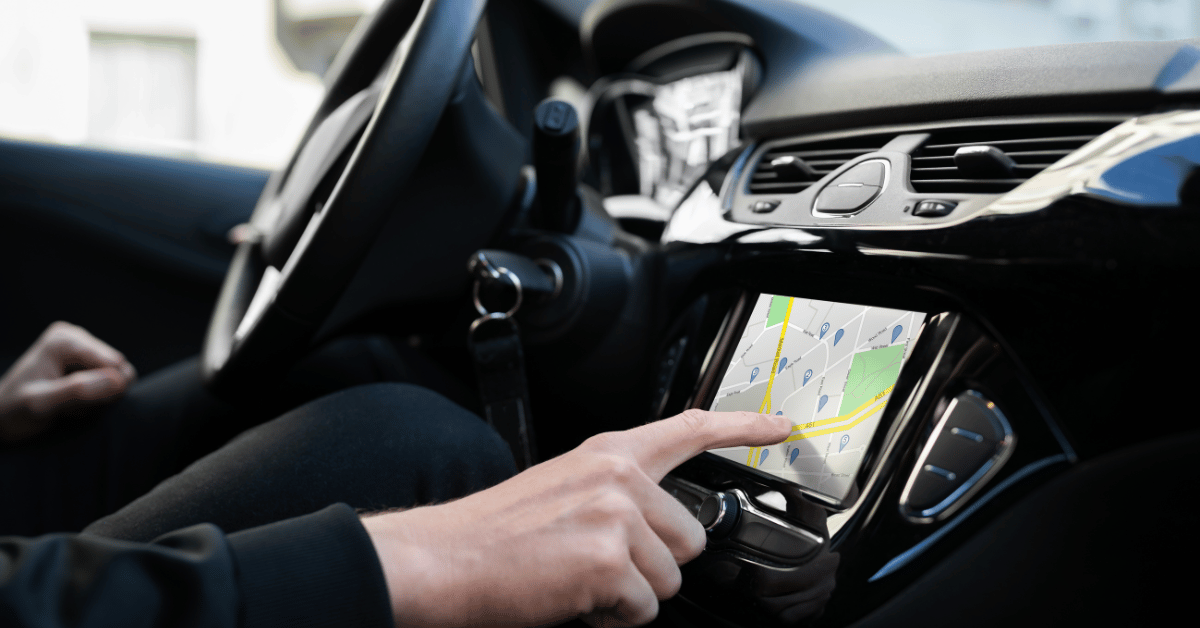
    • Use GPS to avoid accidentally driving into the CVA zone. Look for the red CVA signs at entry points.
    • Plan your visit after 14:00 if you want to avoid fees entirely.

    By parking strategically, you can enjoy Valletta without worrying about congestion charges.

    Other ZTL Zones in Malta

    As of 2025, Valletta is the only city in Malta with a Controlled Vehicular Access (CVA) system. Outside the capital, there are no congestion charges or ZTL zones.

    This means you can drive freely across the rest of the island, including popular destinations such as Mdina, Sliema, St. Julian’s, Marsaxlokk, and Gozo, without worrying about extra tolls or restrictions.

    Why the Valletta CVA Matters for Car Rentals

    If you’re renting a car in Malta, it’s essential to understand the CVA rules:

    • Rental cars are subject to CVA fees because they have Maltese license plates.
    • Charges are small but can add up during longer stays inside Valletta.
    • Many rental companies automatically handle payments and add them to your final bill.
    • To avoid CVA charges altogether, park outside Valletta and explore on foot.

    Knowing these details helps you budget properly and avoid fines. For most visitors, CVA is easy to manage with a little planning.

    Carrentalsmalta.mt – Your Trusted Driving Guide

    At Car Rentals Malta, we don’t just connect you with the best car rental deals in Malta—we also provide the information you need to drive confidently. From understanding the Valletta CVA to finding the best parking options, our goal is to make your trip smooth and stress-free.

    Book your car rental today with Car Rentals Malta and explore Malta with confidence—no surprises, just the freedom to enjoy your journey.

  • Can You Drive a Rental Car to Gozo? Everything Tourists Need to Know

    Can You Drive a Rental Car to Gozo? Everything Tourists Need to Know

    Gozo is one of Malta’s hidden gems—a quieter, greener island known for its rugged coastline, historic citadel, and charming villages. For many visitors, the big question is: can you drive to Gozo with a rental car?

    The answer is yes, and in fact, it’s the best way to experience everything Gozo has to offer. With your own wheels, you’re free to explore beaches, stop in small towns, and discover spots that buses and tours never reach.

    The process is straightforward once you know how it works, and this guide will walk you through everything from ferry boarding to driving tips.

    Why Driving Is the Best Way to Visit Gozo from Malta

    While Malta and Gozo have buses, ferries, and guided tours, nothing compares to the freedom of having your own car. Gozo is a small island, but its best sights—like the Ġgantija Temples, Ramla Bay, and the Azure Window ruins—are spread out.

    Driving gives you control over your itinerary, letting you stop for photos, take detours into villages, or spend the afternoon at a quiet beach.

    The journey itself is easy. You simply drive to the Cirkewwa Ferry Terminal at the northern tip of Malta, wait in line, and board the Gozo Channel Ferry. From there, it’s just 25 minutes across the water, and suddenly you’re driving on Gozo’s scenic roads.

    Taking a Rental Car on the Gozo Channel Ferry

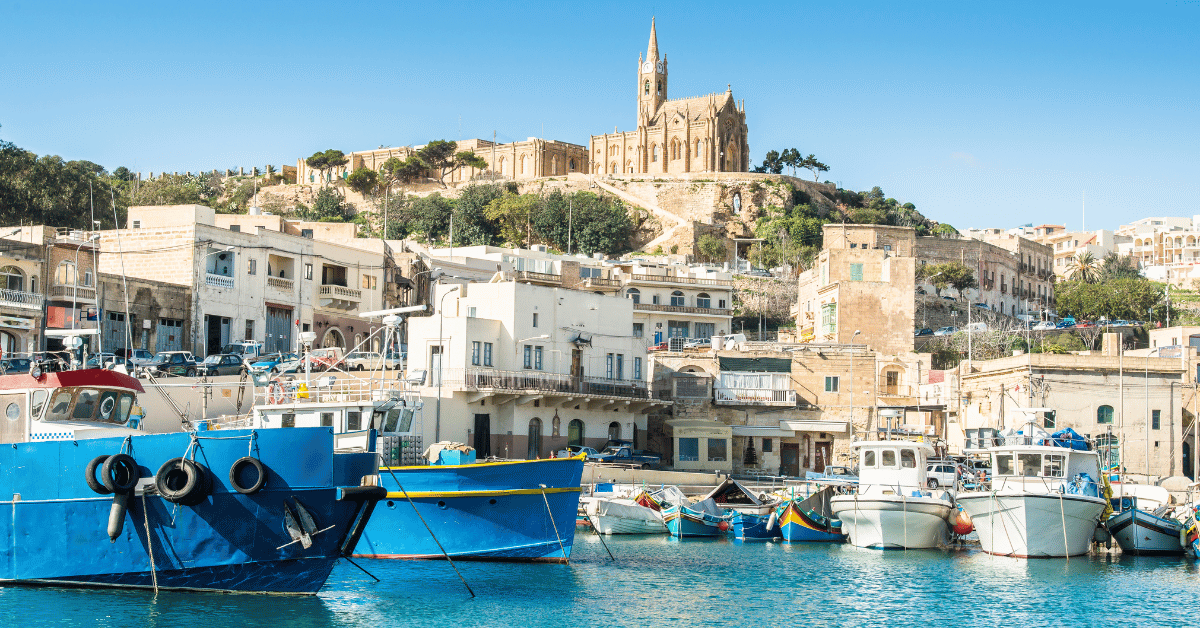
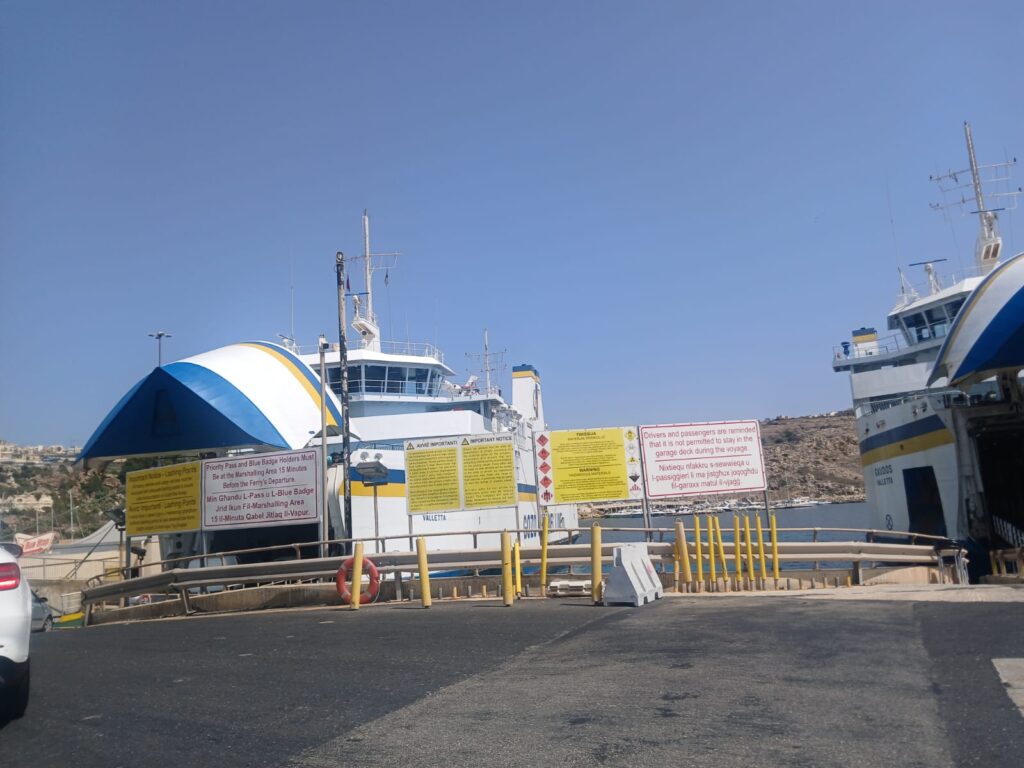
    Image of the ferry that takes you to Gozo when renting a car

    The Gozo Channel Ferry is the main way cars travel between Malta and Gozo, and it’s very straightforward. Here’s what to expect:

    • Getting there: Drive to Cirkewwa, which is well signposted from anywhere in Malta.
    • Boarding: Join the line of cars and follow the instructions of the ferry staff. They’ll guide you onto the ferry and into a parking lane.
    • Journey time: The crossing takes around 25 minutes, giving you time to enjoy the sea views.
    • Ticketing: You don’t pay when heading to Gozo. The ticket is only required on your return journey to Malta, so keep it handy.
    • Frequency: Ferries run daily, roughly every 30–45 minutes, so you never have to wait long.

    The whole process is designed to be simple and stress-free. Once you roll off the ferry at Mgarr Harbour in Gozo, you’re free to start exploring straight away.

    Car Rental Insurance and Coverage in Gozo

    One of the biggest concerns for travelers is whether car rental insurance still applies once you cross to Gozo. The good news is: yes, your rental car insurance and breakdown coverage extend to Gozo just as they do in Malta. That includes towing service, excess coverage, and roadside assistance.

    To be 100% sure, it’s always worth confirming with your rental provider at pickup, but in practice, all major car rental companies allow cars to be taken to Gozo without restrictions.

    Road Conditions and Driving in Gozo

    Driving in Gozo feels a little different than in Malta. Roads are generally safe, and you’ll notice there’s less traffic overall. The main exception is in Victoria (Rabat), the capital, where you may experience congestion during busy times of day.

    Outside of the capital, the roads are quieter, though in some villages and rural areas you might come across uneven road surfaces or narrower streets. Nothing to worry about—just drive slowly, stay alert, and you’ll be fine. Many travelers even find Gozo more relaxed and enjoyable to drive in compared to mainland Malta.

    Parking in Gozo – What to Expect

    Parking is one of the big advantages of driving in Gozo. Unlike Valletta or Sliema, where spaces can be hard to come by, Gozo has far fewer parking problems. In villages and beaches, you’ll often find free street parking.

    In Victoria and around popular tourist sites, you’ll find controlled or paid parking areas, but even these are generally easier and cheaper than Malta’s busier zones.

    Alternatives to Driving a Rental Car to Gozo

    While driving is the easiest and most flexible option, there are alternatives if you don’t want to take a car across:

    • Fast Ferry from Valletta: A passenger-only service that gets you from Valletta to Gozo in about 45 minutes. Great for day trips if you don’t need a car.
    • Renting a car directly in Gozo: Possible, but options are more limited and availability can be tight in peak season. Prices are often higher too.
    • Comino-to-Gozo rentals: Some travelers who stop at Comino (Blue Lagoon) continue on to Gozo and rent a car there, but again, supply is limited.

    These alternatives work for some, but if your goal is freedom and convenience, bringing your rental car from Malta is the smarter choice.

    Tips for Driving to Gozo with a Rental Car

    • Arrive at the Cirkewwa Ferry Terminal a little early in summer, as queues can get long during peak weekends.
    • Use Google Maps or Waze to navigate Gozo’s smaller roads.
    • Compact economy cars are ideal for villages and narrow streets, but SUVs or Vans are fine too if you prefer more comfort.

    Final Verdict – Driving to Gozo with a Rental Car Is Worth It

    Driving to Gozo with a rental car is by far the best way to experience the island. The process is easy: drive to Cirkewwa, board the Gozo Channel Ferry, and within 25 minutes you’re on a quieter, greener island ready to explore. Insurance and breakdown coverage apply just as they do in Malta, roads are safe, and parking is much simpler than on the main island.

    While ferries and local rentals are alternatives, nothing beats the freedom of exploring Gozo at your own pace with your own car.

    Book a car today, or choose a scooter—or whatever suits you best. Feel free to contact us for advice or booking help—we’re here to make your Gozo adventure stress-free.

  • Car Rental Excess/Deductible in Malta: What You Need to Know

    Car Rental Excess/Deductible in Malta: What You Need to Know

    If you’ve ever rented a car abroad, you’ve probably come across the term “excess” or “deductible.” In simple terms, it’s the amount you’re responsible for if your rental car is damaged or stolen—even if you already have basic insurance included.

    So, what does this mean for travelers heading to Malta? The short version: yes, nearly all rental cars in Malta come with an excess, and it’s important to understand how it works before you collect your keys. Knowing your options could save you hundreds of euros and a lot of stress on your holiday.

    What Is Car Rental Excess in Malta?

    When you rent a car in Malta, the standard insurance usually includes a Collision Damage Waiver (CDW). This protects you from paying the full cost of damage to the car, but it still leaves you with an “excess” — the portion you’ll need to pay out of pocket before the insurance kicks in.

    For example, many major providers like Sixt or Avis set their excess between €1,000 and €2,500, depending on the car category. On top of that, some rental desks hold an extra deposit (often €200–€300) to cover traffic fines or smaller issues. That’s a big chunk of money to have blocked on your credit card during your trip.

    In practical terms:

    • If you scratch a bumper and the repair costs €600, but your excess is €1,500, you’ll pay the full €600.
    • If you total the car and repairs cost €7,000, you’ll only pay your excess (say €1,500) and the insurer covers the rest.

    It’s not a scam—this is standard across Europe—but being caught off guard at the rental desk is what frustrates many travelers.

    Waiver Options to Reduce or Eliminate Excess in Malta

    Luckily, you don’t have to just accept that hefty liability. You can reduce (or even remove) your excess through a few different options:

    1. Super CDW (SCDW) from the Rental Desk

    Most companies in Malta will offer you Super Collision Damage Waiver (SCDW) when you collect your car. This reduces your excess to a much lower amount—sometimes even to zero. The downside? It usually costs between €15 and €25 per day, which can add up quickly on longer rentals.

    2. Third-Party Excess Insurance

    A growing number of travelers prefer to buy standalone excess insurance from companies like Riverside Malta Insurance or global providers such as RentalCover.com. These policies are much cheaper (sometimes €5–€7 per day) and often cover things the rental desk exclusions leave out, like tires, windscreens, undercarriage, and keys.

    The only catch is that if damage occurs, you’ll still pay the rental company upfront and then reclaim the money from your insurer later. But for many, the cost savings are worth it.

    3. Credit Card or Travel Insurance Benefits

    Some premium credit cards (like American Express or certain Mastercard plans) include car rental excess coverage. A few travel insurance policies also offer this. Just make sure you read the fine print: many exclude smaller damages like scratches or windscreen chips, and some require a deposit claim before they reimburse you.

    Pros and Cons of Malta’s Excess Reduction Options

    So, which route is best? It depends on your budget and how much peace of mind you want.

    • Super CDW from the rental desk
      • ✅ Convenient: you’re covered instantly, no paperwork later.
      • ❌ Pricey: daily costs can double your rental fee on longer trips.
    • Third-party excess insurance
      • ✅ Affordable: often half (or less) of the price of SCDW.
      • ✅ Broader cover: usually includes things like wheels, windows, and even lost keys.
      • ❌ Claim process: you’ll need to pay the rental company first, then reclaim.
    • Credit card or travel insurance
      • ✅ Free (if already included).
      • ❌ Gaps in coverage: many exclude common issues like punctures or glass.
      • ❌ Admin-heavy: reimbursements can take weeks.

    For many holidaymakers in Malta, the third-party option strikes the best balance. But if you don’t want to think twice about coverage during your trip, SCDW at the desk offers instant reassurance.

    Checklist Before You Hit the Road in Malta

    A few smart steps will make sure you’re protected no matter which option you choose:

    1. Read your rental terms carefully — know the exact excess amount and what it covers.
    2. Inspect the car fully before driving off. Photograph any scratches, dents, or chips and make sure they’re logged.
    3. Check your coverage — whether SCDW, third-party, or travel insurance, confirm what’s included (and what isn’t).
    4. Keep paperwork handy — if you ever need to make a claim, the rental agreement, damage report, and receipts will be essential.

    These little habits save you from headaches and help if there’s ever a dispute.

    Final Takeaway – Car Rental Excess in Malta Made Simple

    At first glance, car rental excess in Malta can look intimidating. Numbers like €1,500 or €2,000 on a contract aren’t exactly reassuring. But once you know your options—whether it’s paying extra for Super CDW, buying third-party insurance, or leaning on your credit card benefits—it’s actually easy to protect yourself.

    The bottom line: don’t let the idea of excess put you off renting a car. Having your own wheels is by far the best way to explore Malta. From the historic streets of Valletta to the hidden beaches of Mellieha and the rugged countryside of Gozo, you’ll see more, do more, and enjoy Malta at your own pace.

    👉 If you’re unsure about insurance choices or want advice on the best rental for your trip, feel free to contact us—we’re always happy to help you find the right car for your Malta holiday.